Article I

The Endowment
How universities accumulate, invest, and are constrained in spending permanent capital.
The American university read as the document that creates it: what is held, on what terms, under whose signature, and on whose land.
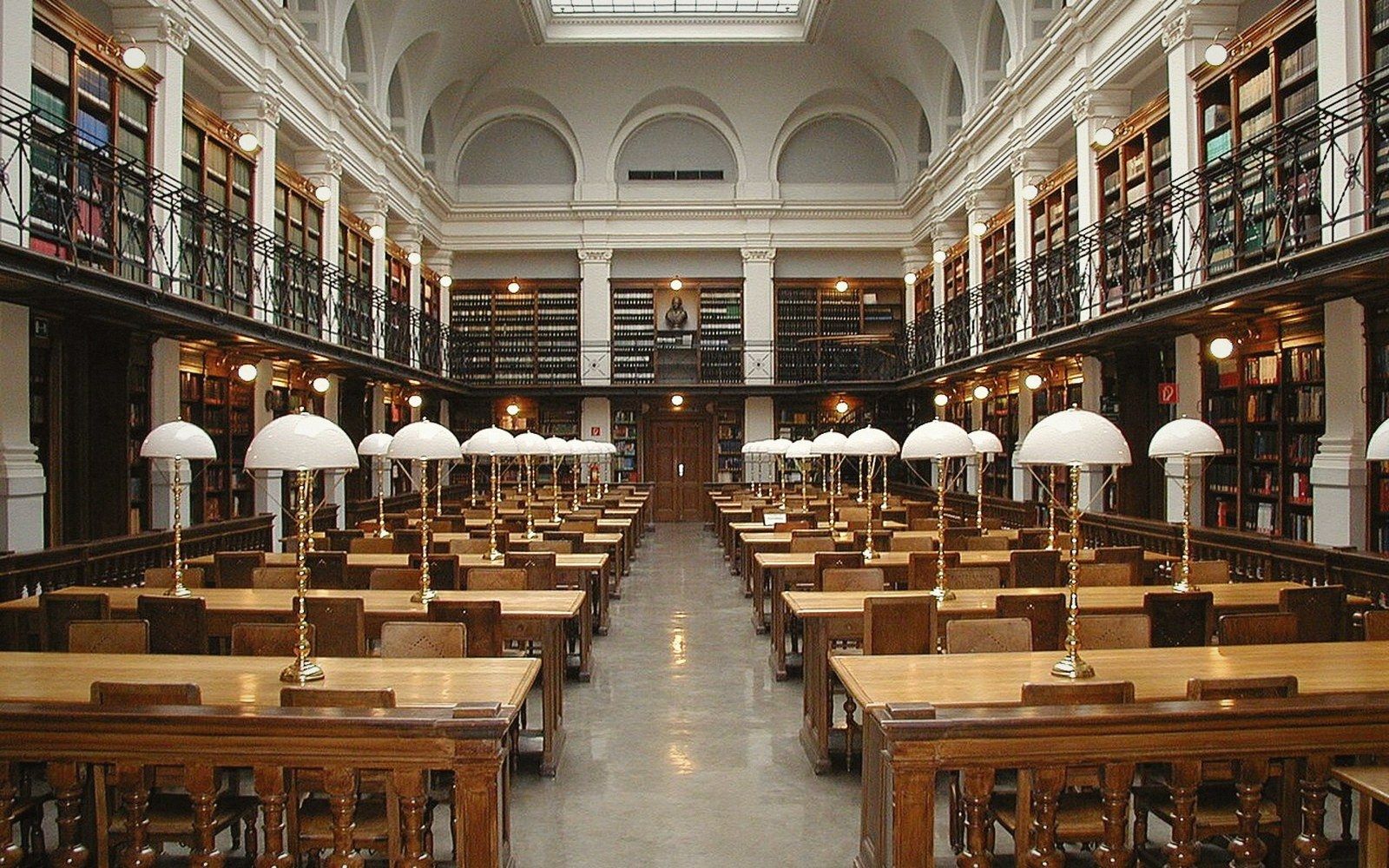
Recitals
Whereas an American university is created by an instrument and governed by its terms; and whereas its funds, its buildings, its collections and its land all sit under clauses somebody wrote down — this publication reads the institution as the document it is, and never as a destination for anybody to attend.
Entered 1 – 10 · in the order received
Article I · The Endowment · Clause 1.2
How universities calculate how much of their endowment they can spend each year — the smoothing formula, the board's judgement, and the federal party in the room.

Articles I – V · 23 clauses
Article I
How universities accumulate, invest, and are constrained in spending permanent capital.
Article II

The physical estate — who designed it, how it was paid for, and how it has been added to over time.
Article III
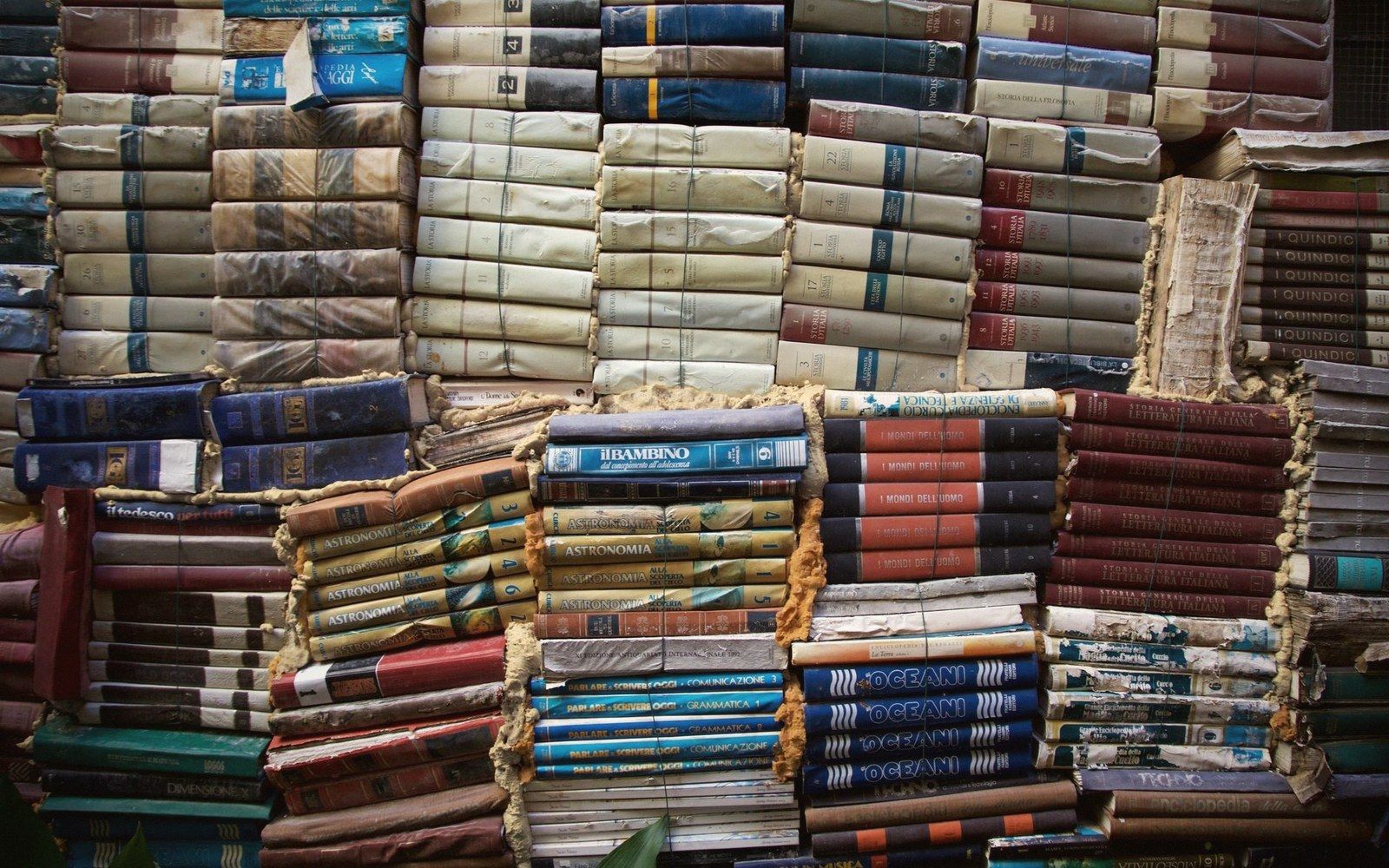
Research libraries, rare-book rooms, and the institutional logic of collecting.
Article IV
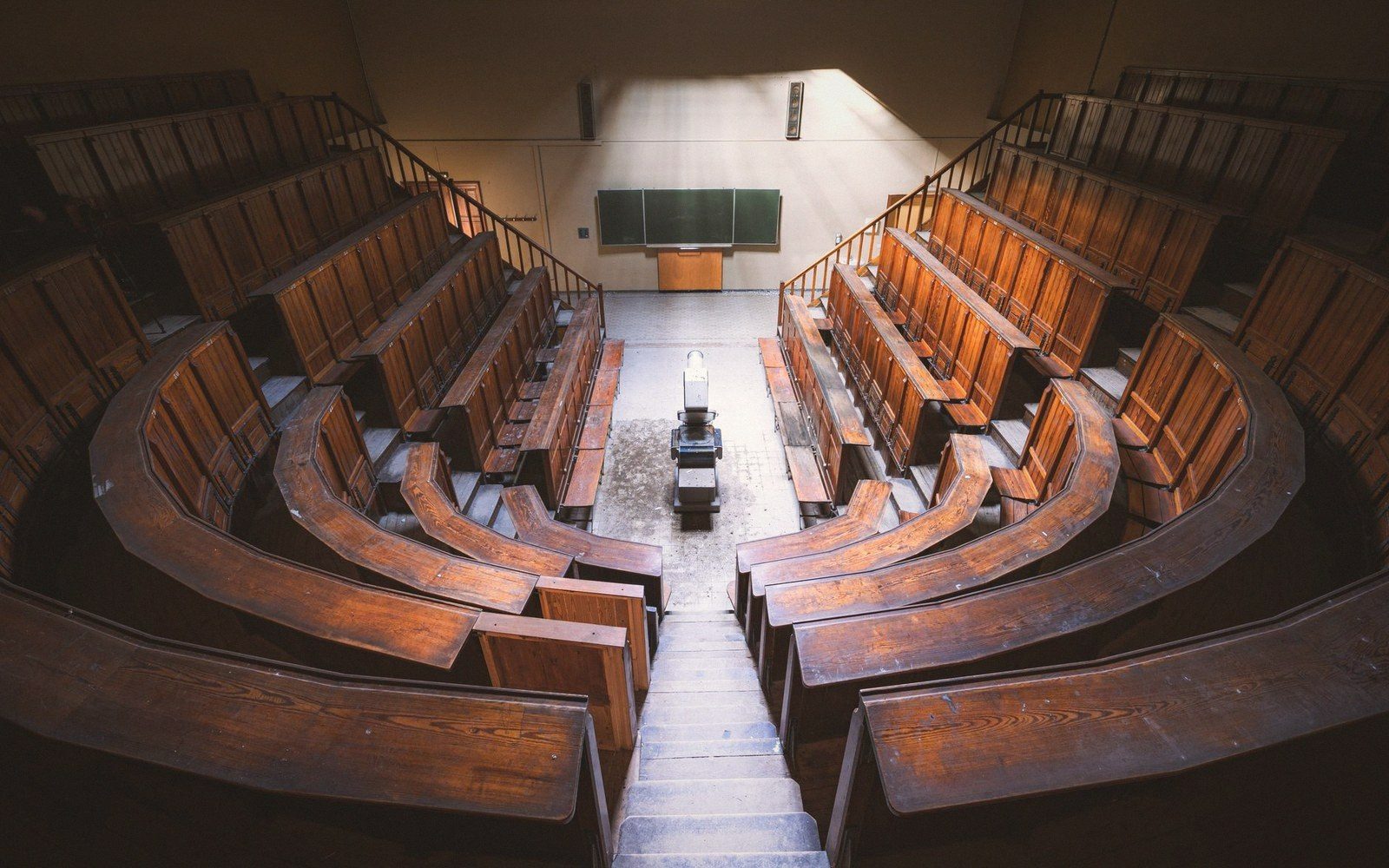
Boards, charters, and the legal structures that make a university a corporation.
Article V
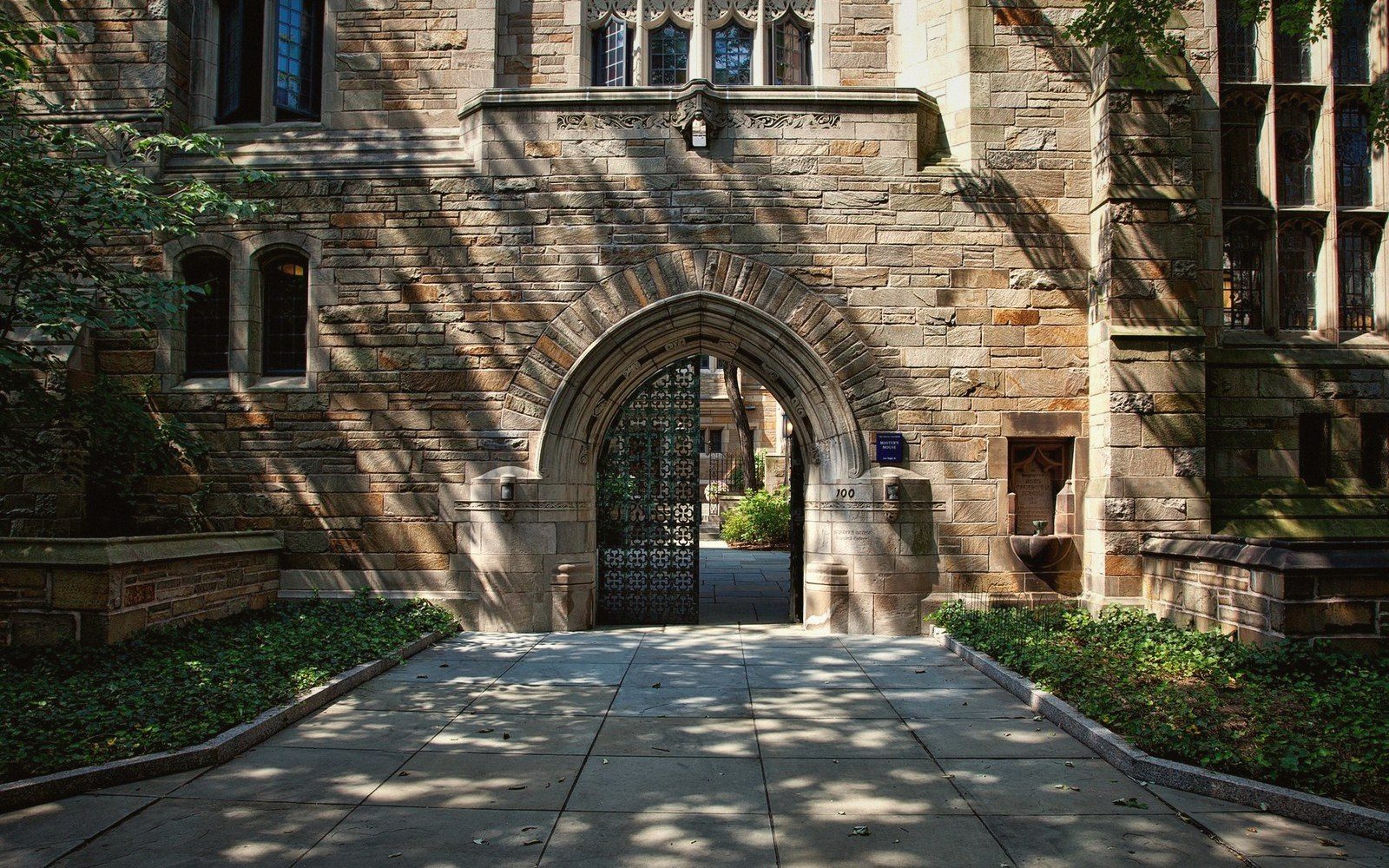
How universities have expanded into, transformed, and sometimes displaced the neighbourhoods they occupy.
Clauses in the current issue
The Endowment · Clause 1.1
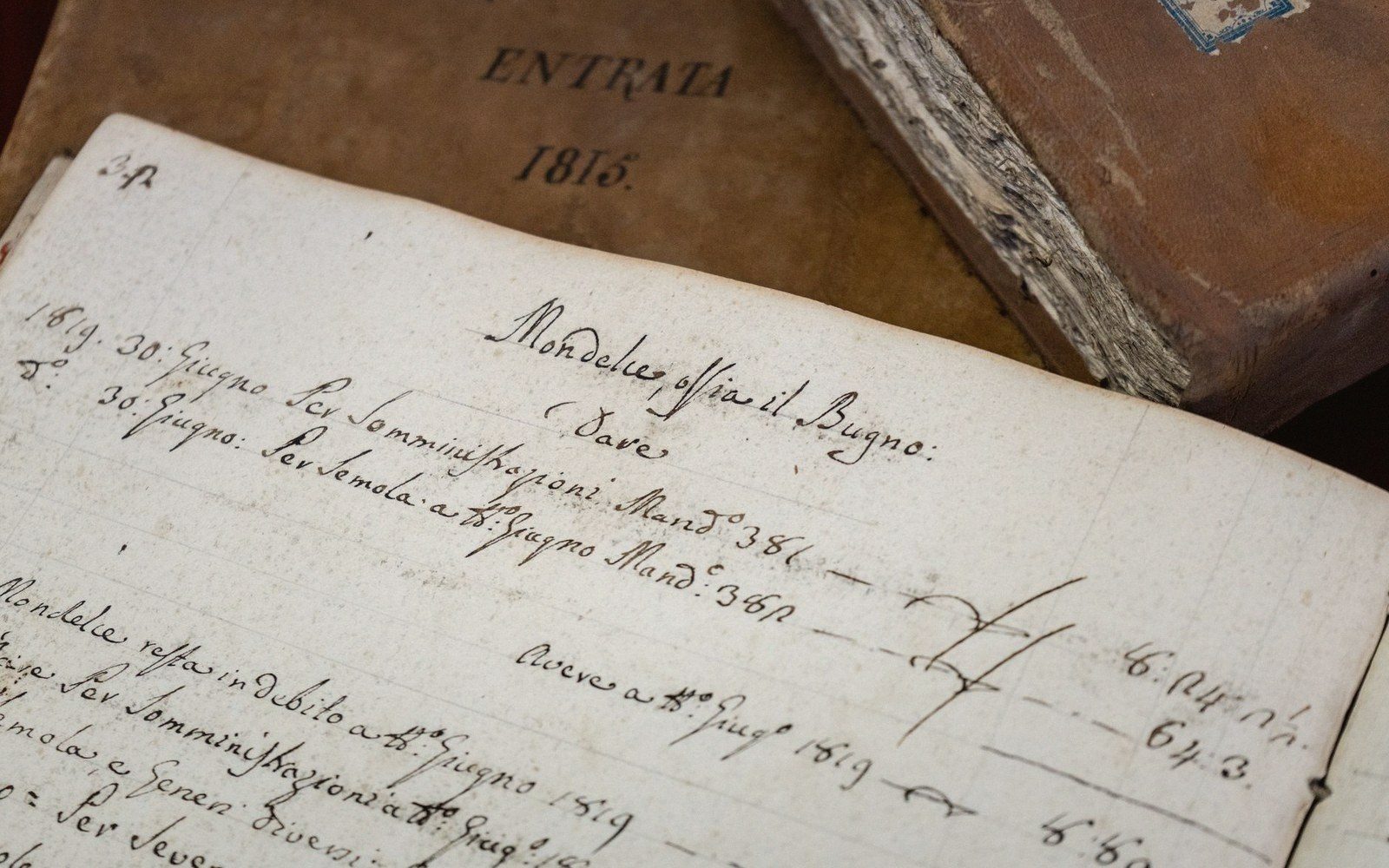
Explains the legal structure of an endowment as a perpetual fund held in trust, distinct from reserves or operating cash.
The Campus · Clause 2.1
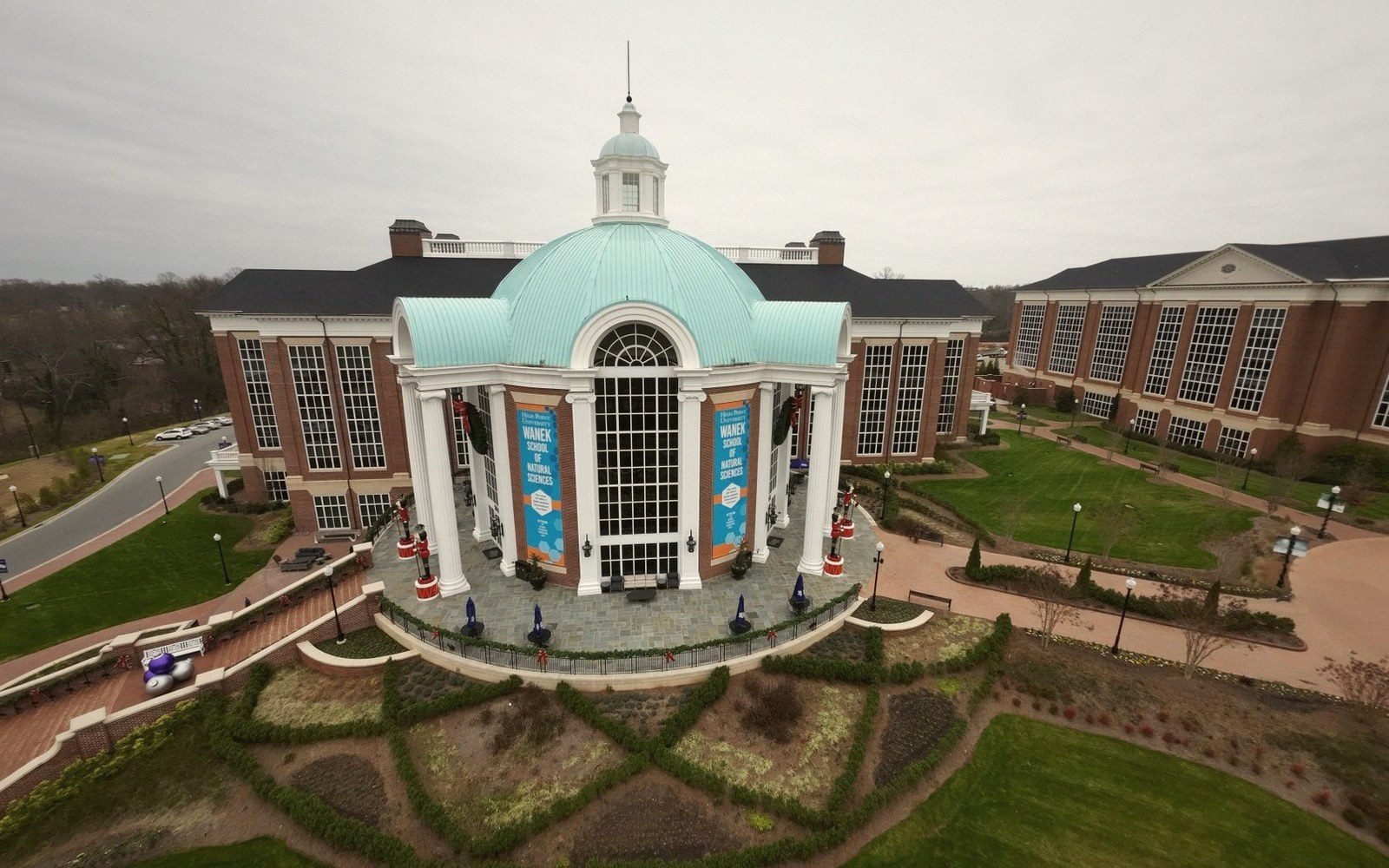
Surveys the major campus-planning traditions in American university history — the Jeffersonian academical village, Olmsted's landscape model, the Beaux-Arts axial plan — and how each encoded an idea about what a university was for.

Libraries & Collections · Clause 3.2
Traces the path of a rare book or manuscript from sale or donation into a university collection — appraisal, deed of gift, cataloguing, conservation, and the provenance questions that surface at each step.
How It Is Governed · Clause 4.1
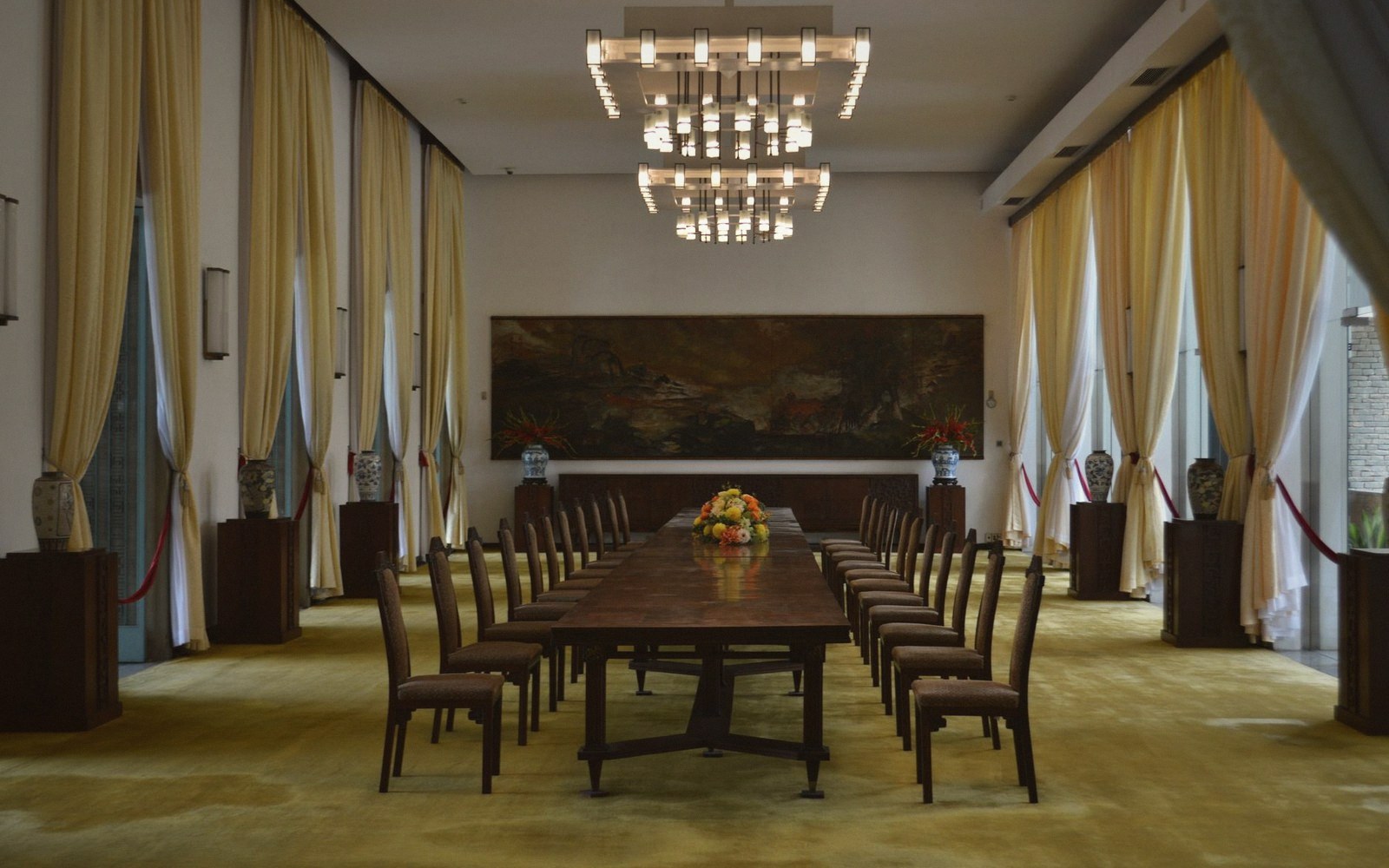
Explains the two dominant board-selection models in American higher education — the self-perpetuating private board that elects its own successors, and the publicly appointed board answerable to state government — and what each model allows and prevents.
The City Around It · Clause 5.1
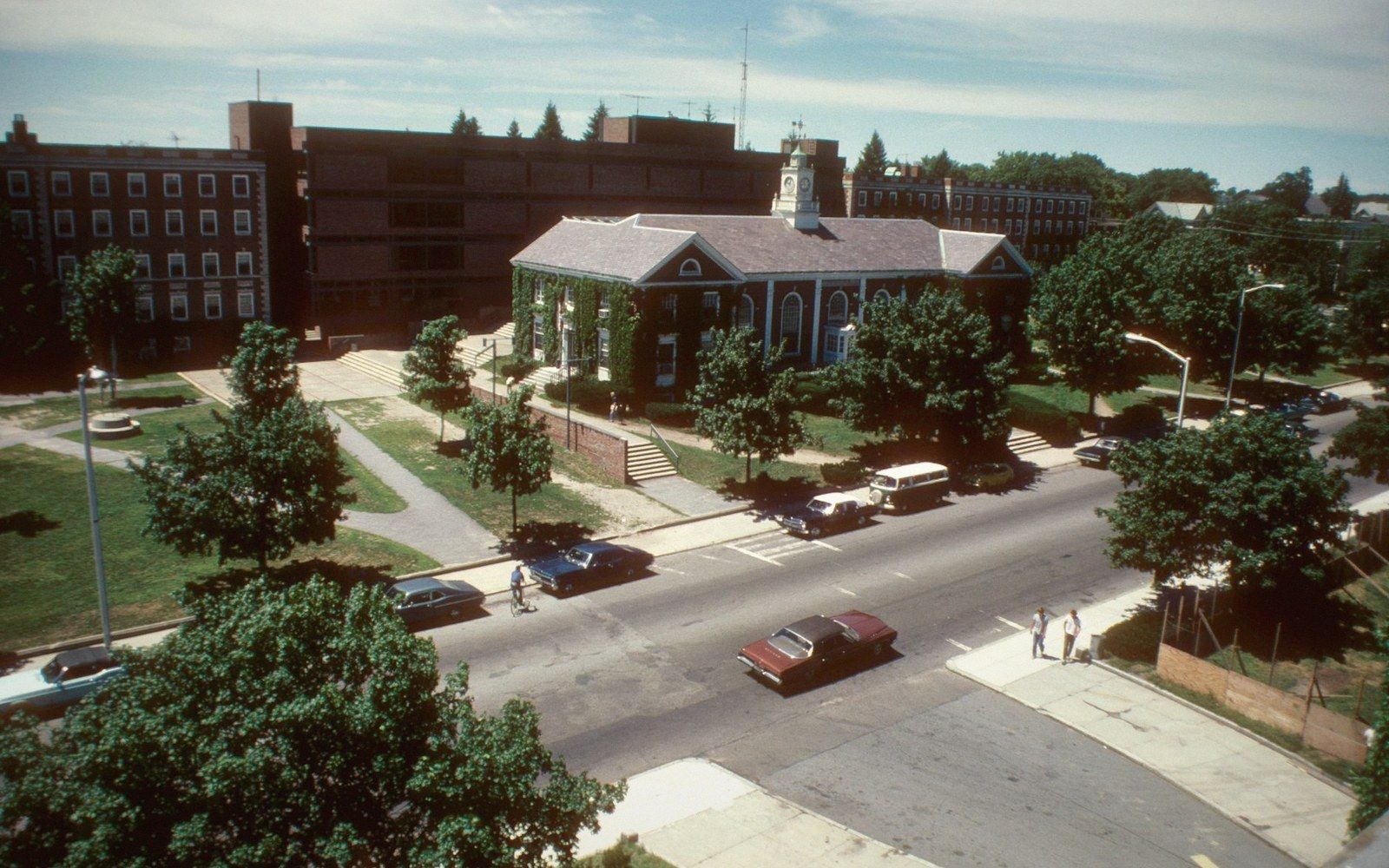
Documents how several major American universities became dominant property owners in their cities through purchase, bequest, and development — and how that ownership has been used, leased, and occasionally contested by neighbours and municipalities.
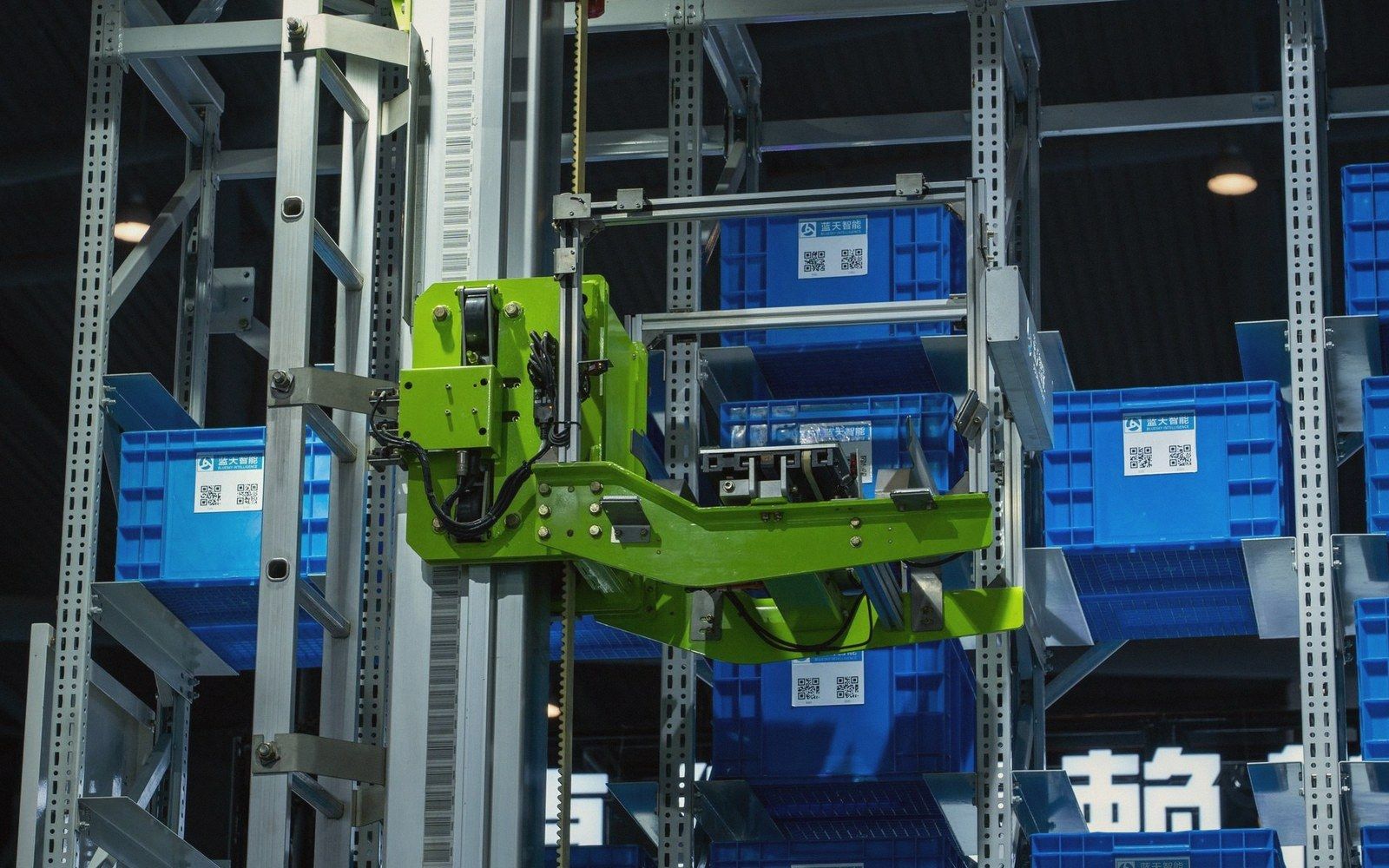
Libraries & Collections · Clause 3.3
Describes the engineering problem of library stacks — load-bearing floors, compact shelving, off-site repositories — and how the physical logic of a research collection has driven some of the most unusual architecture on American campuses.
Sch. 5, fig. i · scheduled parcels
CambridgePrincetonPalo AltoNew HavenChicagoDurham